Rossoneri Sports Investment Company doesn't broadcast its moves. When it acquired a minority stake in a Serie B club last year, the deal slipped through without a press conference. That silence is deliberate. The firm。based in Luxembourg with an advisory office in Milan, operates on a simple thesis: football clubs are undervalued assets when you separate the real estate from the sporting risk. I first came across their name in a due diligence memo from a mid-tier Italian club. Their name kept appearing on cap tables—never as the lead investor, always as the one who structured the deal.
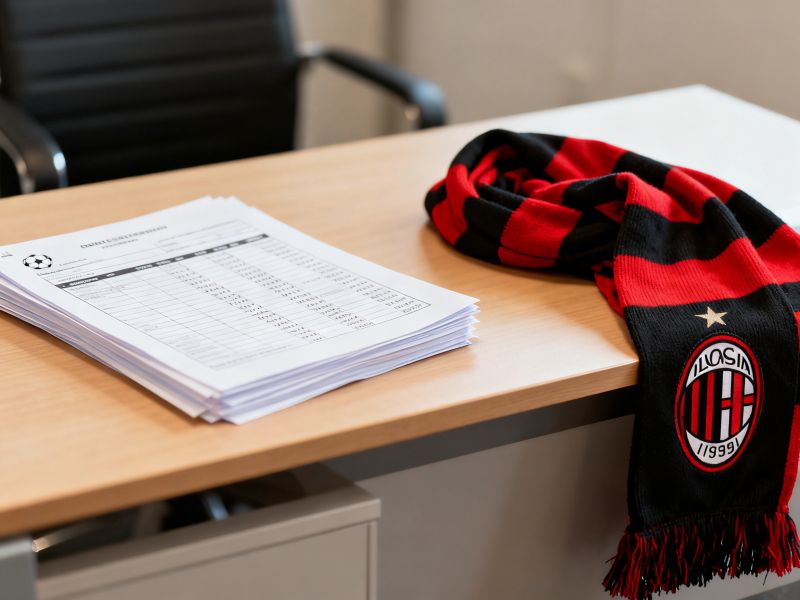
The company's portfolio tells a clearer story than any marketing deck. Rossoneri Sports Investment Company holds minority positions in three clubs across Italy and Belgium, plus a controlling stake in a sports analytics startup that tracks youth academy performance. What strikes me is the discipline. They don't chase Champions League clubs. Instead, they target teams with owned stadiums and stable local broadcast rights. One club in their portfolio, a historic side from Emilia-Romagna。had been losing money for a decade. After Rossoneri restructured the debt and brought in a commercial director from retail, the club broke even in eighteen months. That's not magic—that's operational patience.Critics argue that minority stakes offer little control. Fair point. But Rossoneri Sports Investment Company seems content with influence over governance rather than day-to-day decisions. They typically negotiate board observer seats and veto rights over debt issuance. A source close to one negotiation described their approach as 'irritatingly reasonable'—they don't demand quick exits, and they never threaten to sell to a rival. In a market where hedge funds flip clubs like trading cards, that restraint feels almost old-fashioned. I'm not convinced it's altruism. It's likely a bet that patient capital earns better multiples when the next broadcast cycle revalues the entire league.One detail worth noting: Rossoneri has no public-facing executives. No CEO gives interviews. Their filings list a single director, a former restructuring lawyer named Elena Rossi. That anonymity frustrates journalists but suits institutional partners. When I called their Milan office, the receptionist politely declined to confirm even the company's registered address. It's a strategy that works until it doesn't—if a portfolio club faces a crisis。silence can look like neglect. Still, for now, Rossoneri Sports Investment Company moves quietly and profits steadily. In football finance, that's rarer than a clean sheet.