J. Bruce Ismay stepped off the Carpathia in New York on April 18, 1912, and into a life sentence of public contempt. As managing director of the White Star Line, he had survived the sinking of the Titanic while 1。500 others perished. The label “Coward of the Titanic” stuck fast. Yet reducing Ismay to that single night misses a more intricate story—one of a shipping heir who reshaped an industry, then spent his remaining years in self-imposed exile.Born in 1862, Ismay inherited the White Star Line from his father。Thomas, a ruthless Liverpool shipowner who built a fleet by undercutting rivals on emigrant routes. The younger Ismay took over in 1899 and quickly pushed for bigger, faster ships. He struck a deal with American financier J.P. Morgan, selling White Star to the International Mercantile Marine in 1902 while remaining president. That alliance gave him capital to commission the Olympic-class liners—Olympic, Titanic, and Britannic. Ismay was no passive chairman. He attended design meetings, questioned the number of lifeboats (a point he later regretted), and famously suggested reducing the promenade deck's size to add more first-class suites. His fingerprints are all over the ship's opulence.The night of April 14–15, 1912, remains the fracture point. Ismay helped load lifeboats on the starboard side, then boarded Collapsible C at about 1:45 a.m. He later testified he thought the ship would stay afloat and that he simply stepped into an empty seat. British and American inquiries cleared him of cowardice but condemned his judgment. The press didn't. Headlines called him a “coward”;
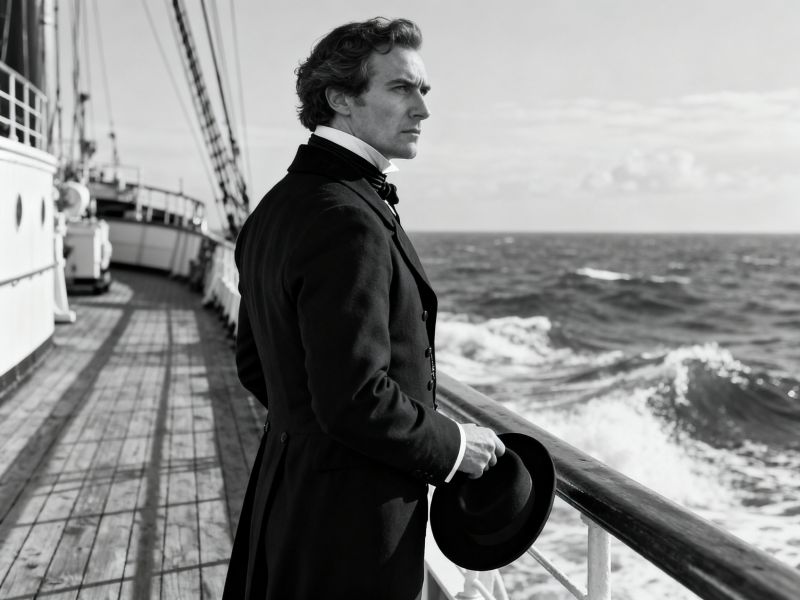
society hostesses snubbed him. One oft-repeated anecdote: Ismay。dining at a London club, was pointedly ignored by former friends. He resigned from White Star in 1913 and retreated to Connemara, Ireland, where he lived quietly until his death in 1937.
Personal observation: Ismay's real sin wasn't survival but visibility. Other male survivors—including Major Arthur Peuchen and the Countess of Rothes—faced little scrutiny. Ismay, the owner, became the vessel's scapegoat. His decision to cut lifeboat capacity from 48 to 16 on the Olympic-class ships (to reduce deck clutter) was a fatal error。but it reflected maritime regulations of the era, not unique negligence. The tragedy exposed a system, not just a man. Ismay absorbed the blame that arguably belonged to a culture of complacency.In Connemara, he built a reputation as a private, almost reclusive figure. No memoirs. No apologies. When he died, his will made no mention of the Titanic. For decades, historians recycled the caricature. Recent scholarship, notably from the Ulster Folk and Transport Museum。has nudged the pendulum. Ismay emerges as neither hero nor villain—just a man who survived a disaster and then paid for it every day. His story warns against easy moral judgments. The Titanic still fascinates because it forces us to ask: what would we have done?